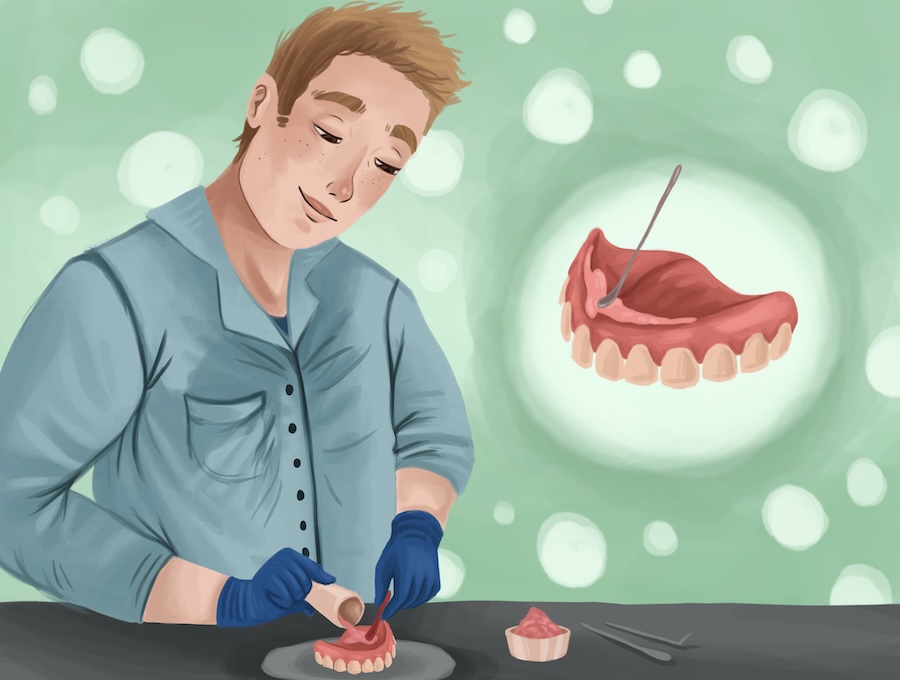
Signs Your Dentures Need to Be Adjusted or Replaced
February 17, 2026 9:00 amDentures are designed to restore your smile, improve chewing, and support facial structure — but they aren’t meant to last forever. If your dentures don’t feel quite the way they used to, it may not be your imagination — it may be time for an adjustment or update.
At Rockingham Prosthodontics in Harrisonburg, VA, Dr. Rigby helps patients evaluate when dentures simply need a minor adjustment and when it’s time to consider a replacement. If you’ve been wondering whether your dentures still fit the way they should, here are the signs to look for.
1. Your Dentures Feel Loose
One of the most common complaints is looseness. If your dentures move when you talk, laugh, or chew, it may not mean they were made incorrectly. It often means your jawbone has changed shape.
After tooth loss, the bone that once supported teeth gradually resorbs (shrinks). As that happens, dentures can lose their snug fit.
An adjustment or reline may restore stability. In some cases, especially if the denture is older, replacement may be the better long-term option.
2. You’re Developing Sore Spots
Dentures should not cause ongoing pain. Mild tenderness during the first few days of wearing new dentures can be normal. Persistent sore spots, however, signal pressure in the wrong areas.
When the fit changes, certain parts of the denture may press more firmly against the gum tissue. This can lead to irritation, inflammation, or even small ulcers.
A professional adjustment can redistribute pressure and improve comfort.
3. Chewing Has Become More Difficult
If foods that were once easy to chew now feel challenging, your dentures may not be functioning as effectively as they should.
Worn denture teeth can flatten over time, reducing bite efficiency. A shifting denture can also affect how evenly pressure is distributed when chewing.
Dr. Rigby evaluates both the fit and the condition of the denture teeth to determine whether a reline, repair, or full replacement is appropriate.
4. Changes in Speech
Loose dentures can affect pronunciation. If you notice increased slurring, clicking sounds, or difficulty forming certain words, it may be related to movement in the appliance.
Speech changes often improve once stability is restored.
5. Visible Wear or Damage
Denture materials are durable, but not permanent. Over time, you may notice:
-Cracks in the acrylic base
-Chips in the denture teeth
-Staining that doesn’t improve with cleaning
-Thinning or warping of the material
Small fractures can sometimes be repaired. Larger structural damage often means replacement is safer and more predictable.
6. It’s Been Several Years
Even if your dentures seem “fine,” most full dentures last about 5 to 10 years before needing significant updates. Relines are often recommended every few years to maintain fit.
Because bone and gum tissue naturally change, a denture that once fit perfectly may gradually lose adaptation — even without obvious discomfort.
Regular evaluations help catch these changes early.
7. Facial Appearance Has Changed
Dentures do more than replace teeth; they support your lips and cheeks. If your face appears more sunken or your bite feels collapsed, the vertical dimension (how your jaws meet) may have changed.
New dentures can restore proper support and improve overall facial balance.
Adjustment, Reline, or Replacement?
Not every issue requires a brand-new denture. Depending on the situation, Dr. Rigby may recommend:
Adjustment: Minor reshaping to relieve pressure points
Reline: Adding material to the inside of the denture to improve fit
Repair: Fixing cracks or chips
Replacement: Creating a new denture when structure or function is compromised
As a prosthodontist, Dr. Rigby focuses specifically on restoring and replacing teeth. That advanced training allows for detailed evaluation of fit, function, and long-term stability.
Considering Implant Support?
If looseness is a recurring issue, some patients explore implant-supported dentures. Dental implants can anchor the denture in place, significantly improving stability and chewing power.
While not everyone is a candidate, it’s an option worth discussing if traditional dentures continue to feel unstable.
Denture Adjustment and Replacement in Harrisonburg, VA
Dentures should feel secure, balanced, and comfortable. If yours are slipping, causing soreness, or showing signs of wear, it may be time for an evaluation. At Rockingham Prosthodontics in Harrisonburg, VA, Dr. Rigby provides detailed denture assessments, relines, repairs, and replacements designed to restore fit and function.
If you’ve noticed changes in comfort or performance, schedule an appointment to have your dentures evaluated. A properly fitted denture can improve not only your smile — but your day-to-day comfort as well.
Image from Authority Dental under CC 2.0